
What Is Calcium Chloride in Food?
Summary: Calcium chloride is a food additive, a calcium salt introduced during processing to firm vegetables, set tofu, and balance electrolytes in water and beverages. It is FDA-recognized as generally safe and is not harmful in the small amounts used in food. But it is not the same as dietary calcium that occurs naturally in food. Here we explain what calcium chloride in food actually is, what it does, and why the distinction matters if you are paying attention to your calcium intake.
Now that we've discussed the difference between foods fortified with supplemental calcium and foods that naturally contain calcium, let's get into the details about the many ways you can find calcium in your foods. If you have ever scanned an ingredients label and spotted "calcium chloride" on a can of diced tomatoes, a jar of pickles, or a bottle of water, you may have wondered whether it is something to be concerned about. It is a fair question, and the answer has two parts: calcium chloride in food is considered safe at the levels used in processing, but it is an additive, not a naturally occurring nutrient, and that distinction matters more than most of us realize when it comes to absorption, bone health nutrition, and the possibilities of GI side effects.
Is Calcium Chloride a Natural Ingredient?
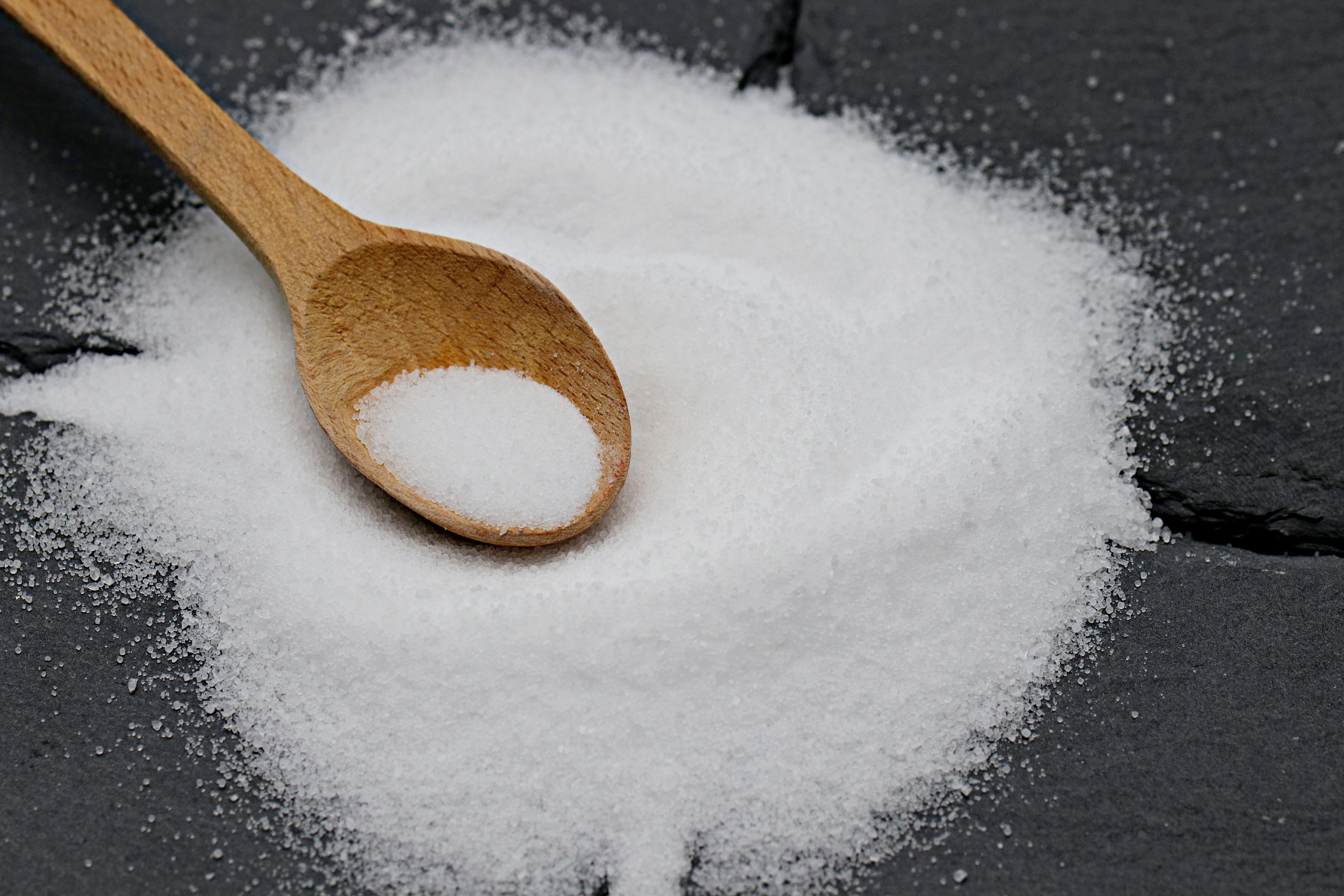
Calcium chloride (CaCl2) is a calcium salt made up of calcium and chloride ions. In industrial and food processing settings, it is derived from limestone or as a byproduct of other chemical processes. It is classified by the U.S. Food and Drug Administration as Generally Recognized as Safe (GRAS) and approved in the European Union as food additive E509.
If you look at the back of many foods, you can find calcium chloride listed as an ingredient in canned and jarred vegetables, pickles, tofu, processed cheeses, sports drinks, and bottled water. In each case, it was added during manufacturing, it is not a nutrient that was naturally present in those foods to begin with.
In this sense, calcium chloride belongs to the same family as other added calcium salts you may recognize from food labels: calcium carbonate in fortified cereal or calcium citrate malate in fortified orange juice. All of them are calcium salts introduced during processing. Calcium chloride just tends to be added for texture and stability rather than to fortify a product's calcium content.
What Does Calcium Chloride Do in Food?
The primary reason calcium chloride is added to food has nothing to do with boosting calcium levels. It is added because calcium ions bond to pectin, a natural structural compound in plant cell walls, which firms and stabilizes the texture of fruits and vegetables during canning, pickling, and storage. Without it, canned tomatoes go mushy. Pickles lose their crunchy bite and sliced apples oxidize faster.
In bottled water and sports drinks, calcium chloride is added as an electrolyte to improve mineral balance and taste. In cheesemaking, it restores the natural calcium balance that pasteurization disrupts. In tofu production, it functions as a coagulant, one of four main types used to set soymilk into curd, and is valued for producing excellent flavor nearly identical to traditional nigari tofu.
Is Calcium Chloride Safe to Eat?
At the levels used as a food additive, yes. The FDA's GRAS designation reflects decades of use and review. The EU approves it as E509. The estimated average daily intake from food is a small amount relative to total dietary intake, and well within what regulators consider safe for healthy adults.
At very high concentrations, far beyond what you would encounter in food, calcium chloride can cause irritation because it dissolves exothermically (releasing heat). That is why consuming large amounts of undissolved calcium chloride is not recommended. But that scenario is not relevant to the trace amounts used to firm a can of tomatoes or balance the electrolytes in a bottle of water. The GI side effects people experience from calcium are far more commonly linked to conventional supplement forms like calcium carbonate, not to food-processing additives at these concentrations.
How Does Calcium Chloride Work as a Food Additive?
Calcium chloride is used as a food additive in different ways depending on the product. Here's how it compares to dietary calcium and other calcium forms you'll see on labels:
-
Calcium chloride in canned tomatoes — Added to firm texture during processing. Any calcium it contributes is a byproduct of its functional role, not a nutritional feature.
-
Calcium carbonate in fortified OJ — Added specifically to hit a calcium number on the label. Synthetic, isolated, and not part of the original food's nutrition (and poorly bioavailable).
-
Calcium in dairy milk — Naturally present within the food's structure, alongside proteins, phosphorus, magnesium, and co-factors that support absorption.
-
Calcium in Seen's chew — Derived from milk minerals, dietary calcium in a natural food matrix, with the co-factors intact as they exist in real food. This dietary calcium is best for bone health.
Why Does This Matter When You Are Reading Labels for Bone Health?
Reading a label carefully means knowing the difference between calcium that is native to a food and calcium that was added to it. The same rule applies to calcium chloride: if it appears in an ingredients panel, a calcium salt was added during processing. That is not the same as dietary calcium, and it should not be counted the same way when you are thinking about filling your daily calcium gap.
If you see calcium chloride, or any calcium salt, listed in the ingredients panel of a food, you are looking at added calcium, not dietary calcium. Peer-reviewed research on calcium absorption and food matrix effects shows that fortification strategies that don't account for the food matrix risk increasing calcium on paper without increasing the calcium your body can actually use. The two are not equivalent when it comes to absorption, bioavailability, or long-term bone health.
Calcium chloride in your pickles or canned tomatoes is not something to avoid. But it is also not a meaningful contribution to the 1,200mg daily requirement the NIH recommends for most women over 50, and the gap between what most people get from diet alone and that target is real. That gap is best filled with dietary calcium, the kind your body recognizes as food, not as a mineral salt introduced into a processing line to coagulate your tofu or firm up your canned tomatoes. How much you can actually absorb at once, and why the type matters, comes down to dose and form working together, not just the number on the label.
The calcium in Seen's Calcium Chew Complete comes from dairy-derived milk minerals. Our calcium is part of a natural food matrix, in the ratios found in real dairy, alongside the co-factors your body uses to absorb and deposit it into bone. That is a different thing entirely from calcium chloride working to firm up caned tomatoes or tofu, and we think it is worth understanding the difference.
